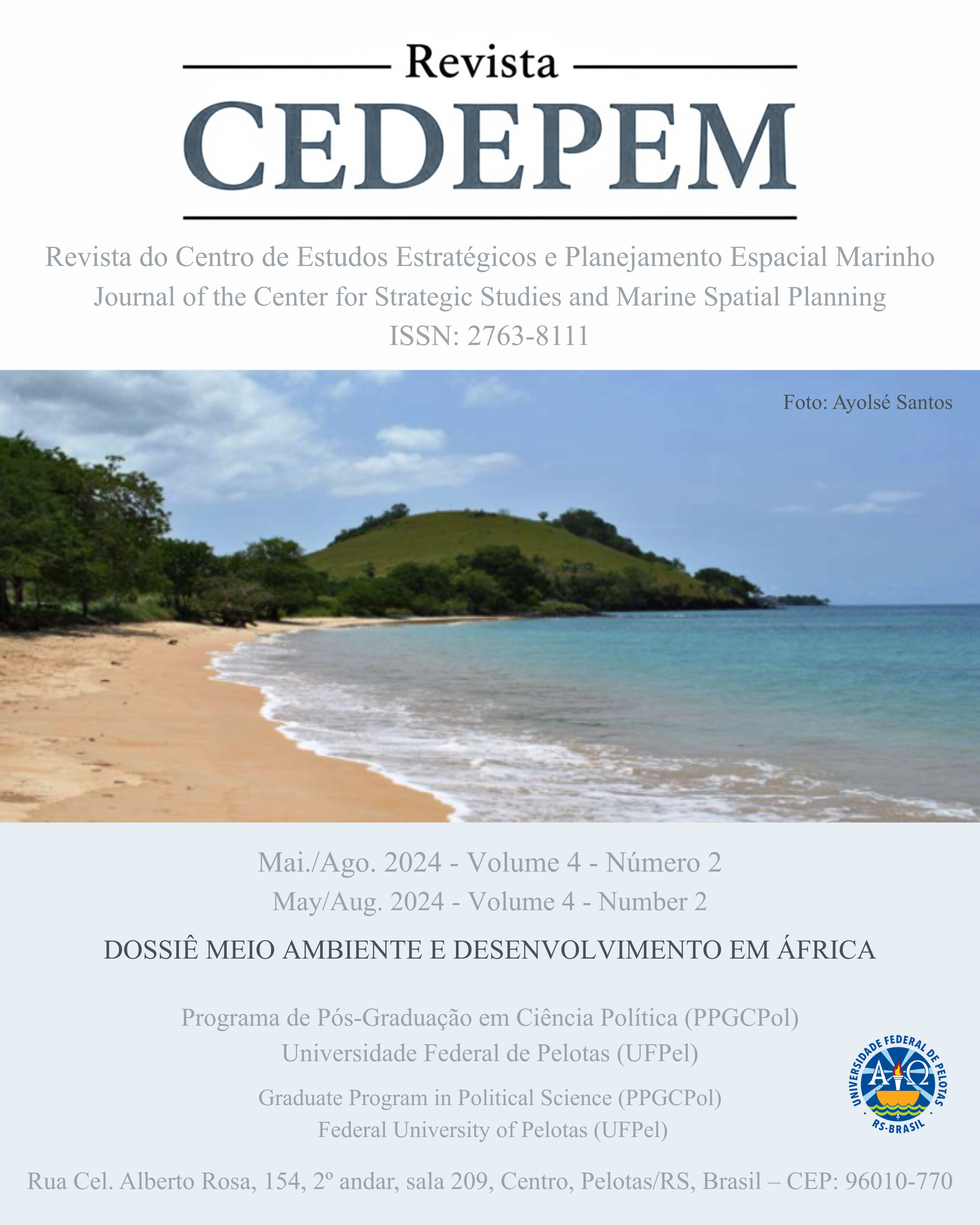
Desafios Socioambientais na África Lusófona e o Papel do Melhoramento de Plantas para a Sustentabilidade Agrícola no Período Pós-Independência
Socio-environmental Challenges in Lusophone Africa and the Role of Plant Breeding for Agricultural Sustainability in the Post-Independence Period
Resumo
Resumo: Este artigo explora os desafios socioambientais da agricultura enfrentados pelos Países Africanos de Língua Portuguesa após a independência, destacando o papel crucial do melhoramento genético de
plantas na sustentabilidade agrícola. A herança colonial, ao incentivar a monocultura voltada para a
exportação, dificultou a diversificação produtiva e contribuiu para a degradação dos solos. Todavia,
mesmo após a independência, a escassez de investimentos em pesquisa e infraestrutura impediu que a agricultura se adaptasse adequadamente às condições locais e aos efeitos das mudanças climáticas.
Desse modo, o melhoramento genético de plantas surge como uma alternativa fundamental,
proporcionando o desenvolvimento de cultivares mais resilientes e produtivas, capazes de resistir a solos empobrecidos e variações hídricas. No entanto, a implementação dessa estratégia ainda enfrenta obstáculos, como a falta de especialistas e a fragilidade das políticas públicas. Investimentos em pesquisa, infraestrutura e políticas eficazes são essenciais para garantir a segurança alimentar e
promover a resiliência agrícola.
Palavras-chave: Mudanças Climáticas; Segurança Alimentar; Inovação Tecnológica; Melhoramento Genético; Biotecnologia.
Downloads